Impact
What the pilot is designed to achieve
CCSCI is being launched as a focused pilot with clear, measurable expectations. The figures below are the targets the programme is designed around — and the basis on which partners will be able to hold it to account.
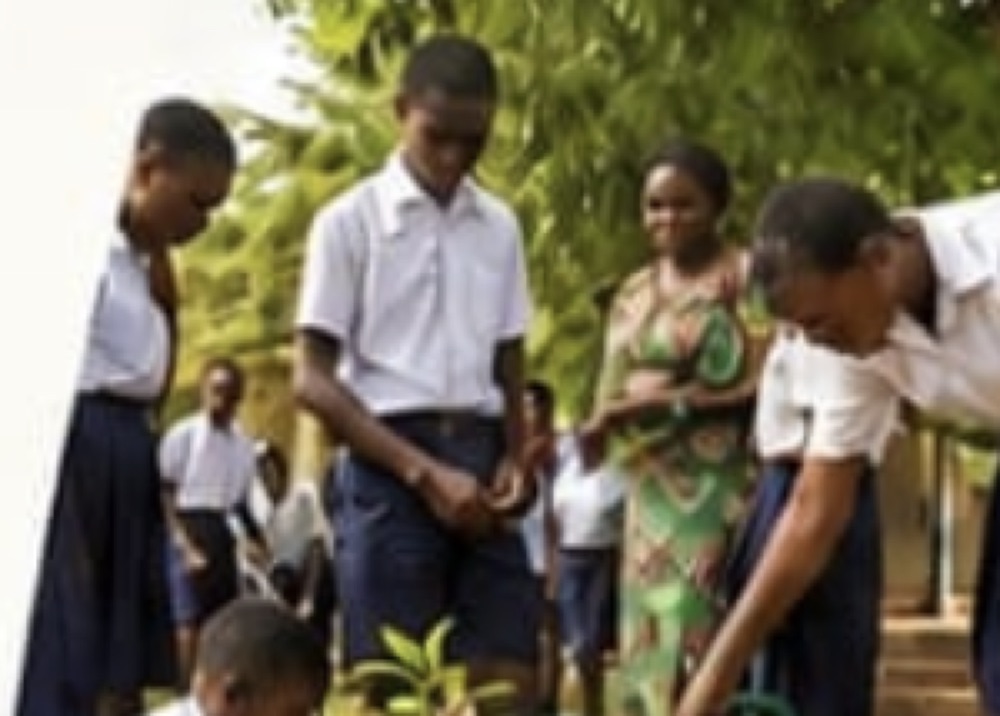
These are pilot targets, not results. Verified figures will be published here as the initiative reports, drawn from club records, tree survival checks and school scorecards.
50
Schools engaged
Basic schools across five pilot districts, each hosting a Climate Champions Club.
5,000+
Students reached
Pupils aged 9–15 taking part in club learning sessions and practical action days.
Every tree
Monitored digitally
Club trees are geo-tagged and photographed, with survival checked over time.
50,000+
Community reach
Households and community members reached through pupils, parents, PTAs and school events.
How impact is measured
Evidence a teacher can produce and a funder can trust
Impact is tracked through the ordinary life of the club rather than through a separate reporting machine: attendance registers, activity logbooks, the tree register, photo evidence and a simple school scorecard.
Recognition follows that evidence. Clubs are assessed on tree survival and maintenance, participation and inclusion, data quality, school and community action, and innovation — so a launch-day photograph is worth far less than a tree that is still alive a year later.
Tree survival
Checked at six and twelve months, with cause of loss recorded and replacements tracked.
Participation & inclusion
Attendance, gender balance, and the involvement of younger learners and children with disabilities.
Data quality
Complete records, geo-tagged trees, photo evidence and timely, verified updates.
School & community action
Clean-ups, gardens, drama, household pledges, PTA engagement and outreach.

Reported back, plainly
Partners receive an annual impact brief for the schools they support: what was planted, what survived, what the club did, and what it plans next — in plain language, without a spreadsheet to decode.
Expected change
What should be different, and when
In the first year
- Pupils can explain climate change in local terms and score better on simple climate assessments
- Active clubs with trained patrons and elected student executives
- Each school has a climate action plan and a tree register
- First trees planted, geo-tagged and under a named custodian
Over the pilot
- Improving tree survival rates, with replacement planting where needed
- Visible changes in school practice: waste sorting, cleaner drains, water-saving, greener compounds
- Stronger participation by girls and vulnerable learners
- Climate messages adopted in participating households
Beyond the pilot
- Clubs that continue without permanent external funding
- Districts adopting the club scorecard and running their own awards
- Demonstration schools mentoring neighbouring schools
- A growing body of open materials other partners can use
Scale-up vision
Pilot → District Expansion → National Scale
The pilot is the proving ground. The model is designed from the start to be handed to districts and replicated across hundreds of schools in Ghana.
First 24 months
Pilot
50 schools in 5 districts
- Club patrons trained and student executives elected
- Climate action plans, tree planting and mapping in every school
- Learning sessions, action days and school climate events
- First round of Climate Champions Awards
Following years
District Expansion
Demonstration schools mentor their neighbours
- District master trainers replicate the model locally
- Strong pilot schools become demonstration sites
- District dashboards and peer learning visits
- Sponsor-a-school partnerships fund replication
Long term
National Scale
Hundreds of schools across Ghana
- Clubs embedded in everyday school club systems
- Annual national Climate Champions Awards
- Open learning materials shared with partners
- A national coalition sustaining the movement
Community engagement
The reach that never appears in a school register
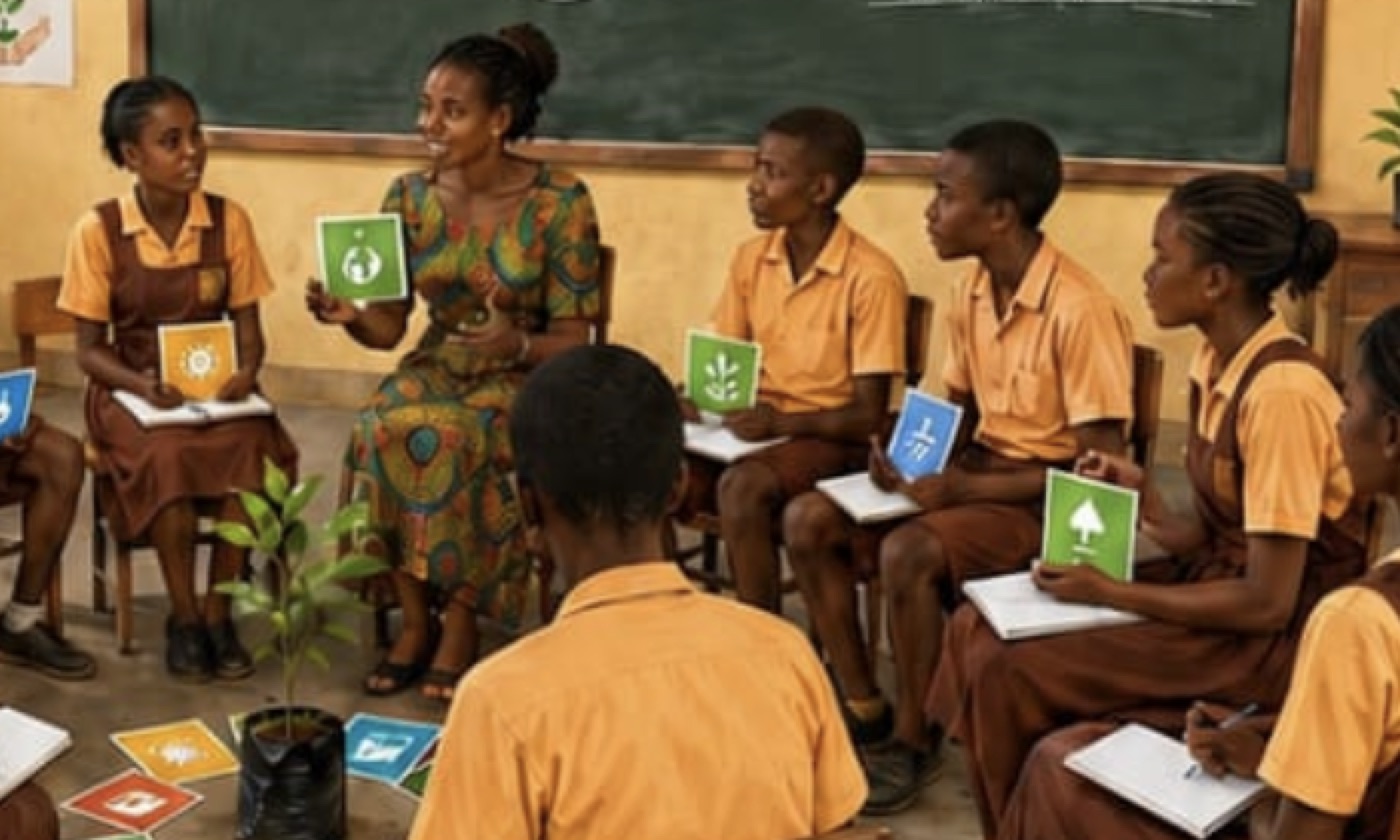
Every club member belongs to a household. Parents, siblings, grandparents, PTAs, school management committees, traditional and religious leaders, assembly members and local nursery operators are all drawn in — to protect trees, support action days and receive the messages pupils carry home.
This is where a school programme becomes a community one, and where the indirect reach of the pilot runs well beyond the pupils counted in the club register.
Partner with AgNova
Help turn these targets into verified results
Partners make the difference between a plan on paper and fifty schools with living trees, active clubs and pupils who can lead.
AgNova is committed to child-safe, inclusive, and community-centered environmental action.