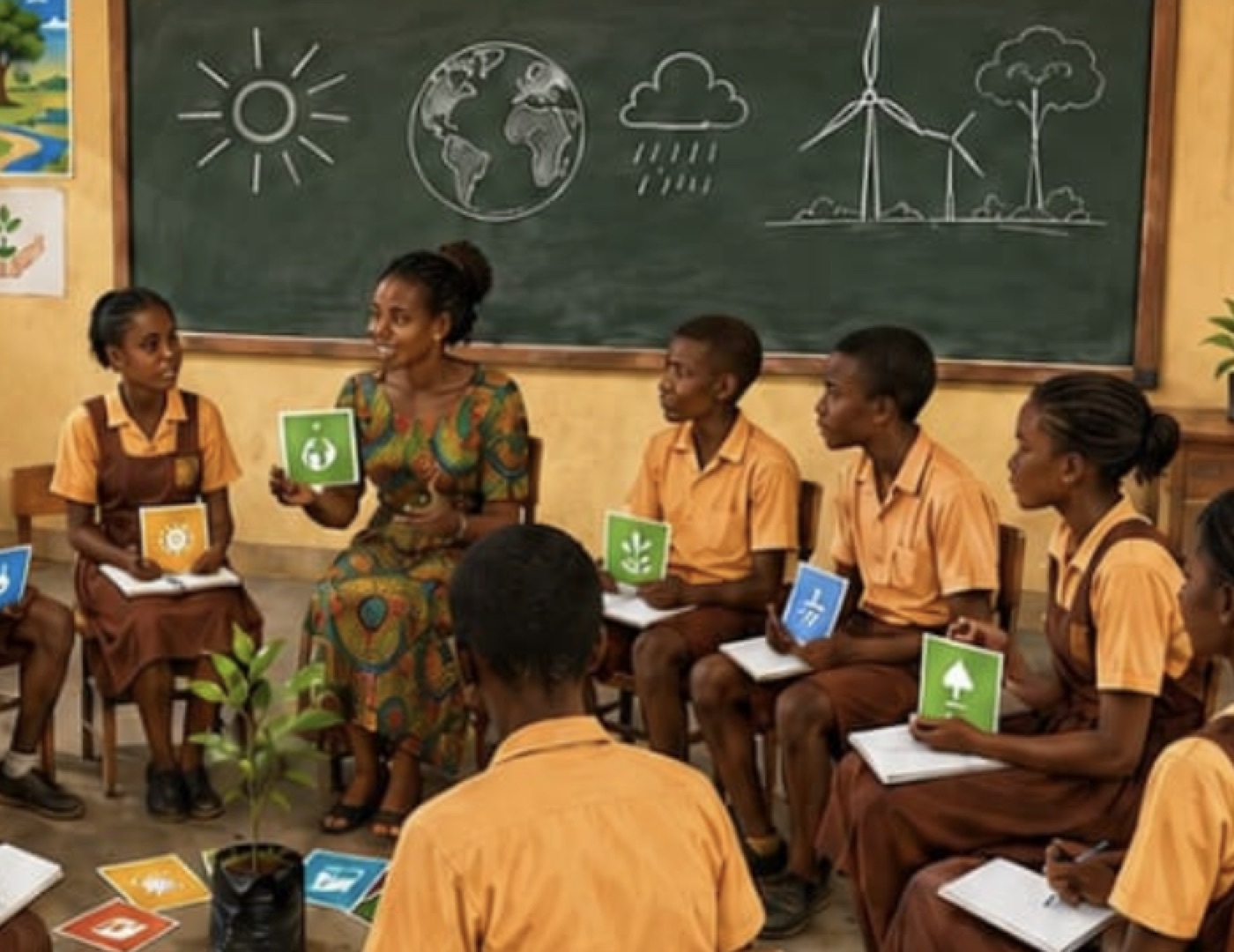
For children in Ghana, climate change is not a distant subject. It arrives as floods, heat, irregular rainfall, thinning tree cover and harder farming seasons. Yet climate learning in basic schools often stops at the page.
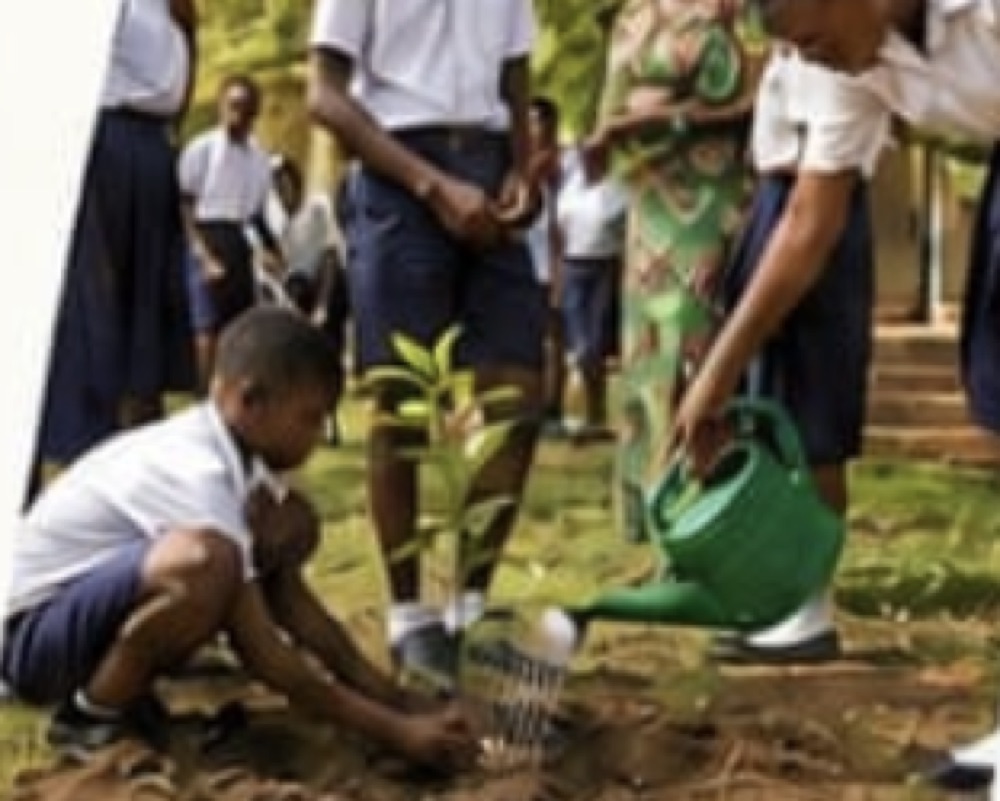
CCSCI adds the missing layer: pupils aged 9–15 who plant and nurture trees, sort waste, save water, grow gardens and speak up at home and at school. Habits formed at this age last, and children carry them into households that a poster never reaches.
The goal is a generation of climate-literate, environmentally responsible and action-oriented young leaders — starting in their own school compound.